
- Project , Education , Mental health
- October 17, 2025
Table of Contents
Psychoeducational Project ACERTAR - SERVIR
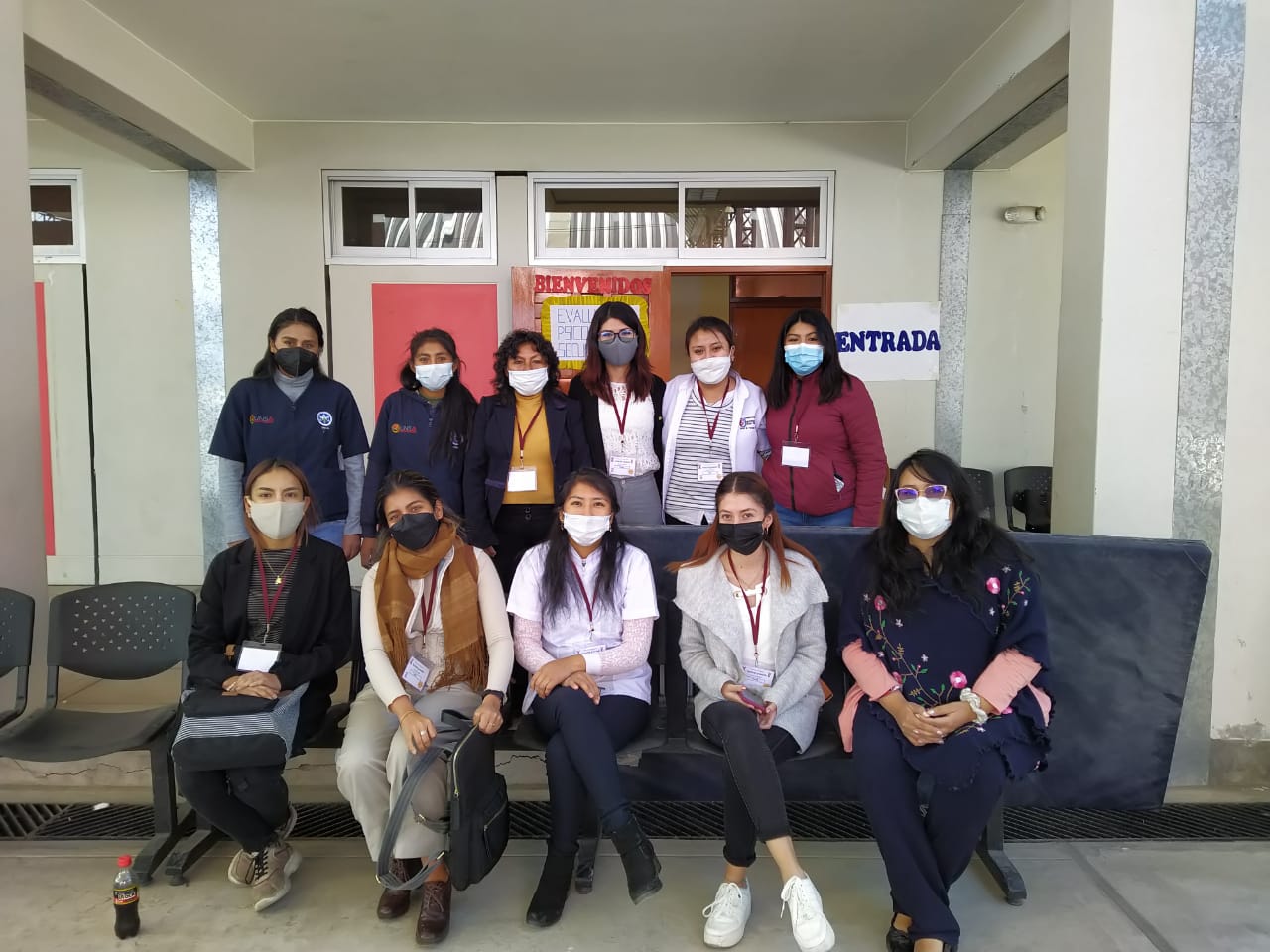
The Psychoeducational Project “ACERTAR - SERVIR”, led by the ACERTAR Educational Team, emerged as a response to the psychological consequences of the COVID-19 pandemic on students.
The program seeks to strengthen emotion management and the development of emotional intelligence among primary and secondary school students, and was implemented at the Manuel Veramendi e Hidalgo Educational Institution in Arequipa.
The intervention was carried out through 7 sessions directed at students, teachers, and parents, promoting spaces for reflection, empathy, and self-care.
Objectives
General Objective
Foster the development of emotional intelligence (self-awareness, interpersonal skills, and coexistence), as well as personal self-care and violence prevention among students.
Specific Objectives
- Design strategies to improve interpersonal relationships, emotional intelligence, self-care, and address situations of violence.
- Propose guidelines for creating an institutional culture of self-care and care for others.
- Evaluate the effects of the intervention program on self-awareness and the improvement of interpersonal relationships.
Results
- Significant progress in emotional intelligence levels according to the results of the Bar-On ICE.
- In primary school, average scores increased from 84.156 (low emotional and social capacity) to 90.235 (adequate capacity).
- In secondary school, scores increased from 85.001 to 88.823, showing progressive improvement.
- Positive qualitative change:
- Greater emotional openness and enthusiasm among students.
- Consistent teacher support during the activities.
- Improvement in self-validation, participation, and interpersonal relationships.
- Tools for self-awareness and strengthening of social skills were provided.
- Topics of affectivity and sexuality were addressed with a dynamic approach, generating trust and reflection.
- Situations of violence in students’ environments were identified and coping and prevention techniques were provided.